The Beige Plate Problem: Can a Jar of Sprinkles Really Outsmart a Picky Eater?
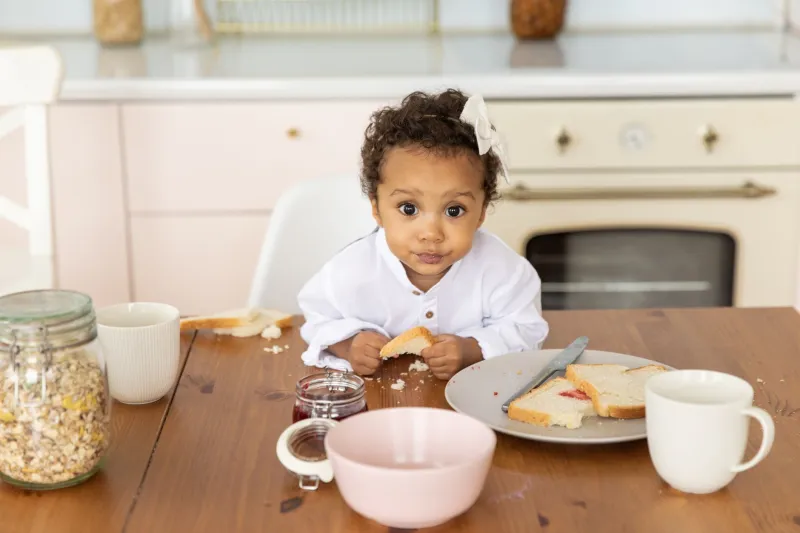
Somewhere in America right now, a toddler is examining a piece of broccoli like it personally offended them. If that toddler lives in your house, you've probably tried it all: the airplane spoon, the hidden-vegetable purée, the desperate "just one bite." And maybe someone — a friend, a mother-in-law, a video on your feed — suggested the sprinkle trick. Put sprinkles on the food. Make it fun. Problem solved?
Maybe. But probably not the way TikTok thinks.
What's Actually Going On With Picky Eating
First, some reassurance from the science: picky eating is developmentally normal. "Food neophobia — the reluctance to try new foods — peaks between ages two and six, and it's thought to be an evolutionary protective mechanism," explains pediatric registered dietitian Mara Kellerman. "When toddlers became mobile and started wandering away from caregivers, rejecting unfamiliar foods kept them from eating something poisonous. Your child isn't being defiant. They're being ancient."
Kellerman notes that most kids, when tracked over time, get adequate nutrition even from a limited diet — the famous "beige plate" of pasta, bread, and chicken tends to cover more bases than parents assume. The bigger concern is pressure. Research consistently shows that coercing kids to eat backfires, increasing food refusal and, in some studies, decreasing long-term vegetable acceptance.
So where do sprinkles fit in?
The Case for Food Chaining
The legit clinical cousin of the sprinkle trick is called food chaining — a technique used by feeding therapists in which you bridge from accepted foods to new ones through small, gradual similarities. A kid who eats only crunchy, salty, beige foods might be chained toward roasted chickpeas, then toward seasoned ones, then toward other legumes. The sprinkles version is a gentler entry point: a familiar, beloved topping makes an unfamiliar base food feel safer.
"A topping isn't going to rewire a child's palate," Kellerman says. "But lowering the threat level of a new food is genuinely useful. If a few rainbow jimmies get a child to tolerate yogurt on their spoon, that tolerance is the win — not the nutrition in the yogurt. Repeated calm exposures are how acceptance is built."
Note what she didn't say: that sprinkles make food healthy. Parents who tell themselves "well, at least the sprinkles are on strawberries now" are negotiating with themselves. The goal isn't to disguise vegetables as dessert. It's to make new foods less scary.
What Real Families Told Us
We heard from a dozen parents who'd tried the topping approach. The results split cleanly.
The wins: a mom in Ohio reported her four-year-old now eats cottage cheese "but only if it has dinosaur-shaped sprinkles," and a dad in Arizona got his son to try salmon by letting him decorate it first. The common thread in the successes? The child was in control. They chose the topping, applied it themselves, and the eating felt like their idea.
The flops: parents who tried to sneak the sprinkle trick onto genuinely disliked foods, or who made the topping conditional — "no sprinkles unless you eat the vegetables" — reported it collapsed fast. "He negotiated the sprinkles and ate nothing," one mother wrote. "I invented a tiny extortionist."
A Judgment-Free Playbook
If you want to try it, here's the version that aligns with what feeding specialists actually recommend:
Let the kid be the decorator. A tiny shaker at the table turns eating into an activity they control.
Top foods they already like first. Build the association on safe territory before branching out.
Keep portions of toppings small. A pinch, not a snowstorm. You're adding novelty, not a dessert course.
Never make it a trade. Sprinkles as a reward for eating something else is pressure with glitter on it.
Consider DIY options. Crushed freeze-dried fruit, toasted coconut, or a cinnamon-sugar blend give you the fun factor with less sugar.
And zoom out. One meal never matters. Kellerman's advice on the whole enterprise: "If it makes mealtimes more fun and less pressured, use it. If it becomes another battleground, drop it. The relationship with food is the long game — not Tuesday's broccoli."
The beige plate, it turns out, doesn't need fixing overnight. It needs a little patience, a lot of no-pressure exposure, and occasionally, a very small jar of rainbow sprinkles.