From Medieval Feasts to Michelin Stars: The Strange, Sparkling History of Edible Luxury Decorations
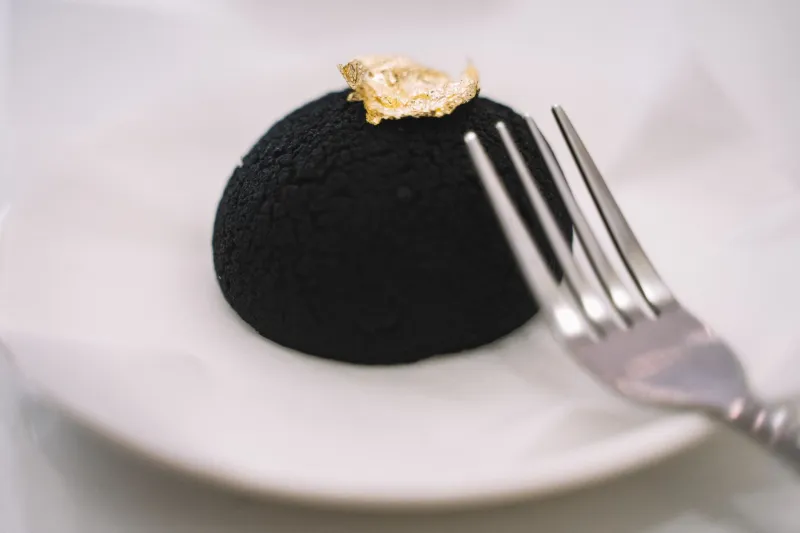
The first time most people encounter edible gold, it's on a $22 cocktail at a hotel bar or a birthday cake that someone photographed from seventeen different angles before cutting into it. It feels like a contemporary flex — a product of the social media era, designed entirely for visual impact and bragging rights.
But edible gold is ancient. And the full story of luxury food decorations — from hammered gold leaf on medieval banquet dishes to the lab-engineered glitters dusting your favorite artisan cupcake — is a lot stranger and more interesting than the Instagram grid suggests.
Gold on the Table: A Very Old Idea
The practice of applying gold to food dates back at least to medieval Europe, where it was both a display of extreme wealth and a genuine belief in gold's medicinal properties. Manuscripts from the 14th and 15th centuries describe gilded meats, golden pastries, and sugar sculptures dusted in gold powder served at royal courts. Gold was thought to strengthen the heart and purify the body — a theory that was medically wrong but socially very useful for anyone trying to impress their dinner guests.
In South and Southeast Asia, gold and silver leaf (called varak in the Indian tradition) have been applied to sweets and ceremonial foods for thousands of years. Silver-coated cardamom pods and gold-dusted mithai remain a fixture of festive and religious celebrations in Indian culture to this day, with deep roots in Ayurvedic tradition that associated precious metals with purification and auspiciousness.
What's notable is that across these different cultural traditions, the impulse was similar: applying something rare and visually extraordinary to food communicated reverence, occasion, and abundance. The aesthetics and the meaning were inseparable.
What's Actually in Edible Gold?
This is where the science gets interesting — and where the regulatory picture gets complicated.
True edible gold leaf is made from pure gold hammered to extraordinary thinness, typically around 0.1 microns. At that thickness, a single gram of gold can cover an area roughly the size of a standard sheet of paper. Gold at 23 or 24 karats is considered food-safe because pure gold is chemically inert — it doesn't react with digestive acids, doesn't get absorbed by the body, and passes through entirely unchanged. It contributes zero flavor and zero nutritional value. You are, in the most literal sense, eating something that does nothing to you.
The FDA classifies gold leaf used as a food decoration as "generally recognized as safe" (GRAS) when it's pure enough. The key qualifier is purity — lower-karat gold contains alloys like copper or silver that are not inert and are not approved for consumption.
"The number I always tell people is 23 karat minimum," says Dr. Leila Huang, a food scientist who has consulted on specialty ingredient approvals. "Below that, you're introducing metals that the body actually interacts with, and that's a different conversation entirely."
Edible Glitter: Not as Simple as It Looks
Edible glitter is one of the most misunderstood products in the specialty food world, partly because the term covers a wide range of materials with very different safety profiles.
At the premium end, food-safe glitters are made from mica (a naturally occurring mineral), plant-based cellulose, or sugar crystals. These are FDA-compliant and genuinely safe to consume. At the other end, craft-supply glitters — made from plastic films or non-food-grade metals — have occasionally found their way into the food decorating market under misleading labels. They are not safe to eat, and the FDA has issued warnings about this specifically.
"The 'non-toxic' label on a craft glitter means it won't hurt you if you accidentally touch it," says specialty decorator and cake artist Simone Reyes, based in Los Angeles. "It does not mean it's food-grade. Those are completely different standards, and I wish more people understood that distinction before buying the cheapest glitter they can find online."
Reyes spends a significant portion of her client consultations explaining ingredient sourcing. For her high-end cake commissions — which can run into the thousands of dollars — she sources exclusively from suppliers who provide documentation of FDA compliance for every edible decoration she uses.
The Molecular Gastronomy Chapter
In the early 2000s, chefs working in the modernist tradition began exploring edible decorations not just as surface aesthetics but as functional elements of a dish's sensory experience. Heston Blumenthal, Ferran Adrià, and their contemporaries started playing with edible gold, silver, and shimmer powders in ways that were less about opulence and more about disorientation and wonder.
A dish that appeared to be glowing. A chocolate that reflected light like a mirror. A dessert that seemed to be dusted with literal stardust. These were deliberate attempts to produce a specific emotional response — surprise, delight, a sense that the ordinary rules of eating had been suspended.
This tradition has trickled down into the broader bakery market in interesting ways. "What started in three-Michelin-star restaurants is now available in a home baker's supply order," notes Tanya Osei, who runs a specialty decorating supply company in New York. "The materials are real, the techniques are accessible, and the effect is genuinely magical when it's done well."
Why Some of These Things Actually Cost What They Cost
One of the most common questions about luxury edible decorations is whether the price is real or purely performative. For some products, the answer is unambiguously: it's real.
Gold leaf pricing reflects the actual commodity price of gold plus the extraordinary labor involved in hammering it to food-grade thinness. A pack of 25 sheets of genuine 23-karat edible gold leaf runs anywhere from $15 to $35 retail, and professional-grade bulk quantities scale up proportionally. There is no meaningful markup beyond what the material and process demand.
High-quality mica-based edible glitters, meanwhile, are priced not just for the raw material but for the testing and certification process required to confirm food safety. That documentation costs money, and reputable producers pass some of that cost on.
"The cheap version of almost every one of these products exists," Osei says. "And the cheap version is cheap for a reason. Either the purity isn't there, or the testing hasn't been done, or both. When someone asks me why they should spend more, I ask them whether they'd rather have something that looks amazing or something that looks amazing and is actually safe."
The Modern Moment
Edible luxury decorations are having a genuine cultural moment right now — and unlike some food trends, this one has legs. The materials are increasingly accessible, the techniques are well-documented, and the visual payoff on social media is undeniable. But underneath the sparkle is a real history, a real science, and a real set of distinctions that matter.
Knowing what you're actually applying to your food — whether it's 23-karat gold leaf, plant-based cellulose glitter, or something that should never have been sold as edible in the first place — is the difference between a genuinely magical decoration and a beautiful mistake.
The good stuff is worth understanding. And honestly, it's worth every penny.