Pretty Packaging, Real Cost: The Environmental Reckoning Hitting the Artisan Treats World
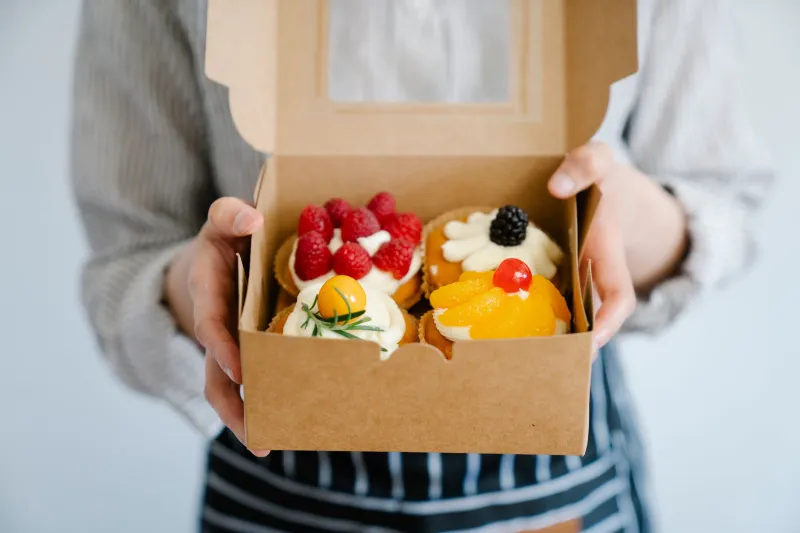
Let's be honest about something. Part of what makes an artisan treat feel special is the way it arrives. The tissue paper nest. The branded box with the foil stamp. The little sealed pouch of hand-blended sprinkles tucked inside like a tiny jewel. It's an experience, and that experience is part of what you're paying for.
But here's the question that more and more confectioners — and their customers — are starting to sit with: what happens to all of it after the photo is taken?
The gourmet treats industry has grown remarkably fast over the past several years. What was once a niche corner of the food world is now a legitimate market segment, complete with its own influencer ecosystem, retail storefronts, and six-figure Etsy shops. And with that growth has come a quieter, less photogenic problem: a mounting environmental footprint that the industry hasn't fully reckoned with.
The Packaging Problem
Walk through the fulfillment side of any artisan confection business and the volume of single-use materials is genuinely startling. Bubble mailers. Tissue layers. Individual cellophane sleeves. Custom-printed boxes that can't be recycled because of their metallic coatings. Cold packs that end up in landfills because most municipal recycling programs won't take them.
For a small brand shipping fifty orders a week, the impact is relatively contained. But scale that to a business moving thousands of units monthly — as many viral-moment brands now do — and you're talking about a significant material footprint per transaction.
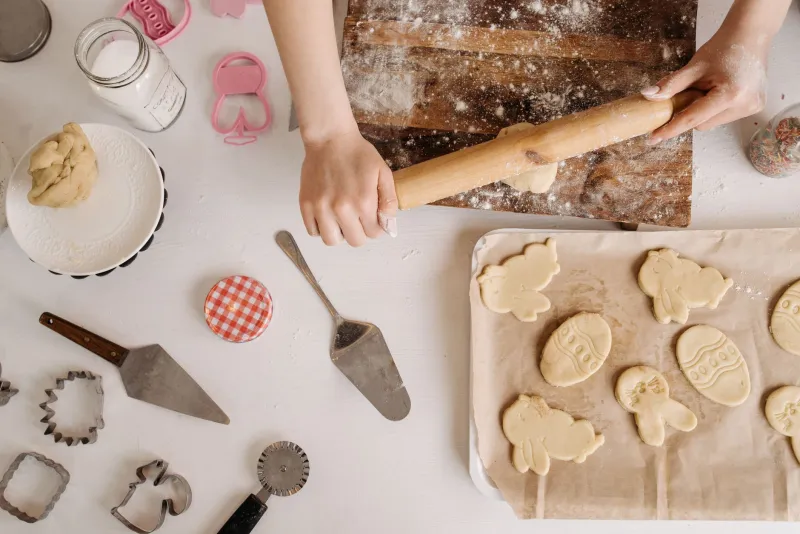
Some confectioners are acutely aware of this. "I spent almost a year redesigning my packaging before I relaunched," said one Ohio-based baker who specializes in hand-decorated sugar cookies. "I wanted it to still feel elevated and beautiful, but I couldn't keep sending out boxes that were just going straight to the trash."
Her solution was a combination of FSC-certified kraft paper, soy-based inks, and a custom insert made from seed paper that customers can actually plant. It cost more to develop. Her per-unit packaging cost went up. She raised her prices slightly and explained why in a newsletter. Almost nobody complained.
What's Actually in Your Sprinkles
The ingredient side of the equation is where things get scientifically thorny.
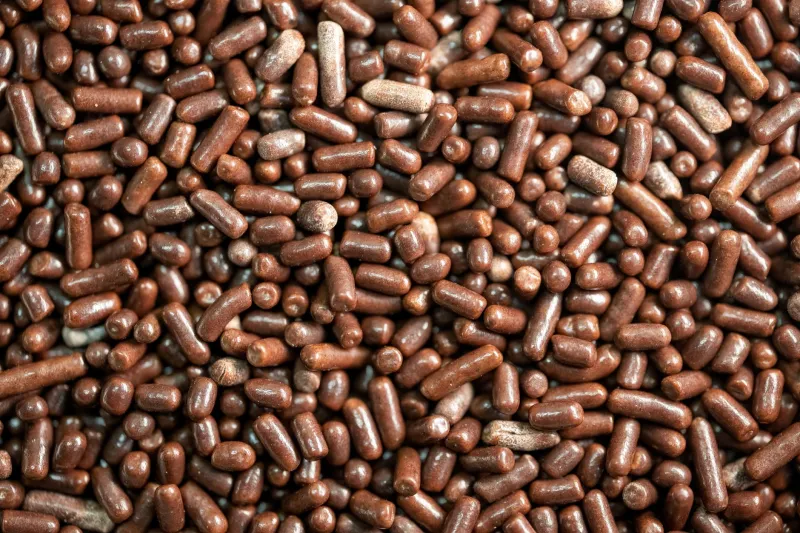
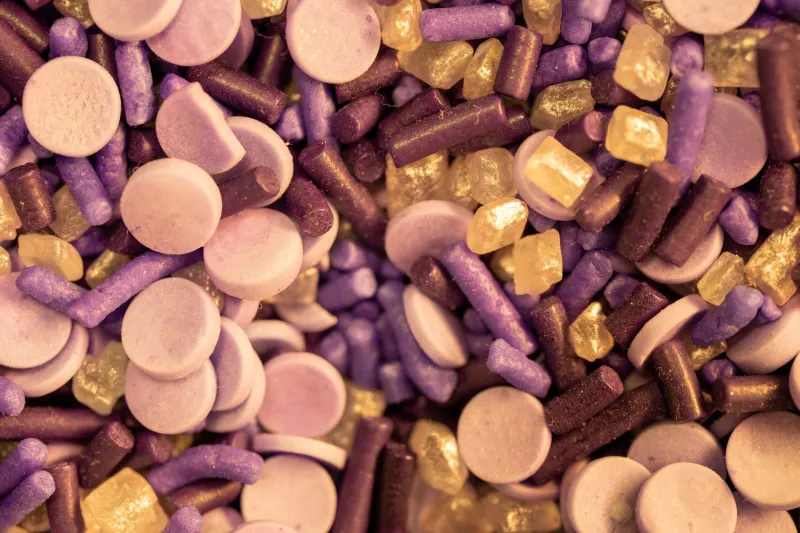
Conventional sprinkles and edible decorations often rely on synthetic colorants — FD&C dyes — that have been scrutinized for their environmental persistence and production footprint. Some edible glitters are made from materials like mica (which involves mining) or synthetic polyester-based substances that, while FDA-approved for consumption, aren't exactly biodegradable when they rinse down the drain in mass quantities.
The push toward natural colorants — beet powder, spirulina, turmeric, butterfly pea flower — is real and growing. But natural dyes come with their own complications. They're typically less stable under heat, can shift color unpredictably in acidic or alkaline environments, and often cost significantly more than their synthetic counterparts. For a small-batch maker trying to keep prices accessible, that's a genuine tension.
"I want to be as clean as possible," one Brooklyn-based confectioner told us. "But I also have customers who need affordable options, and natural dyes can triple my ingredient cost on certain products. There's no perfect answer right now."
Food scientists working in this space suggest the industry is at an inflection point. Consumer demand for cleaner ingredients is rising, and that's accelerating R&D into more stable, affordable natural colorant options. But we're not there yet across the board.
The Instagram-First Problem
There's a specific category of gourmet treat that's worth examining honestly: the ones designed primarily to be photographed rather than eaten.
Elaborate sugar sculptures. Edible-glitter-drenched cakes that take hours to assemble and minutes to photograph before being abandoned on a table. Hyper-decorated cookies so ornate that eating them feels almost beside the point. These products aren't new — food as spectacle has a long history — but social media has supercharged their production volume.
When a treat exists primarily as content, the consumption rate drops and the waste rate climbs. Food stylist props that never get eaten. Batches of specialty items produced for a single shoot. Even individual purchased items that get one good photo and then sit until they're stale.
This isn't a condemnation of beautiful food — we are, after all, a site that genuinely loves a spectacular-looking treat. But it's a real part of the sustainability conversation that the industry tends to sidestep.
Some confectioners are responding by designing products that are both visually stunning and genuinely delicious — treating the two qualities as equally non-negotiable rather than a trade-off. "I test every product for taste first," one pastry chef told us. "If it doesn't taste incredible, it doesn't matter how good it looks on camera. I won't make it."
The Pioneers Doing It Differently
The good news is that a growing cohort of artisan confectioners is actively working to thread the needle between whimsy and responsibility.
Some are switching to compostable mailers and encouraging customers to compost their packaging at home. Others are experimenting with refillable sprinkle jars — sell the jar once, offer refill pouches at a lower price point. A few bakeries have introduced a "bare" shipping option where customers can opt out of decorative packaging in exchange for a small discount.
One California-based confectionery has gone further, partnering with a local composting service to take back packaging from customers in their delivery radius. It's logistically complicated and only works at a local scale for now — but the model is worth watching.
On the ingredient side, there's genuine innovation happening with plant-based edible glitters made from tapioca starch and natural micas, and water-soluble food dyes that break down more cleanly. These aren't mainstream yet, but they're moving from specialty suppliers into wider distribution.
Where Does That Leave Us?
The artisan treats world isn't going to solve a global environmental crisis. That's not really the point. But it is a community with an outsized cultural influence right now — one that shapes consumer expectations around what food can look like and what it's worth paying for.
If that community starts normalizing sustainable packaging, clean ingredients, and treats designed to be eaten rather than just photographed, those expectations ripple outward. Customers carry them into grocery stores, into conversations with bigger brands, into their own kitchens.
Beauty and responsibility don't have to be in opposition. The most exciting confectioners we're seeing right now are proving that pretty and principled can absolutely share the same box — and ideally, a compostable one.