Sprinkles With Benefits: The Wild New Science of Functional Edible Decorations
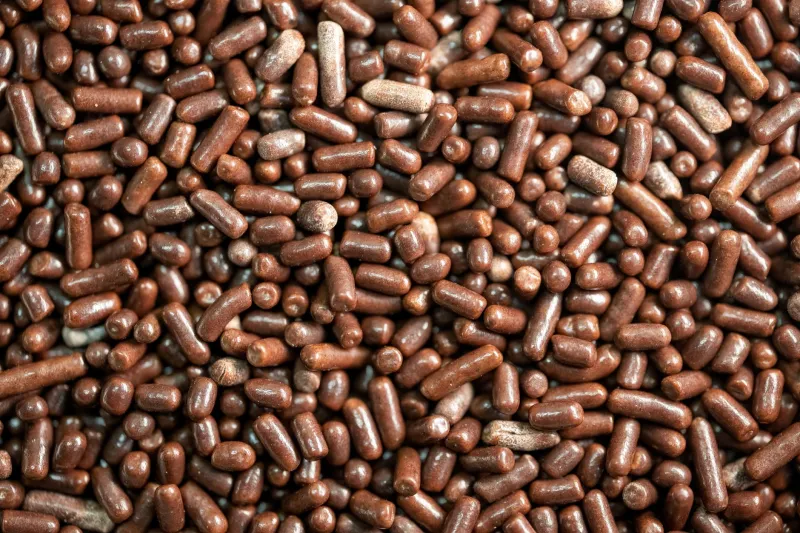
For most of baking history, sprinkles had one job: look cute. They weren't supposed to do anything except add color, a little crunch, and a whole lot of visual joy to whatever they landed on. That was more than enough. Sprinkles were never trying to be medicine.
But here in 2024, the lines between food, decoration, and functional nutrition are getting genuinely blurry — and the sprinkle world is not immune to that conversation.
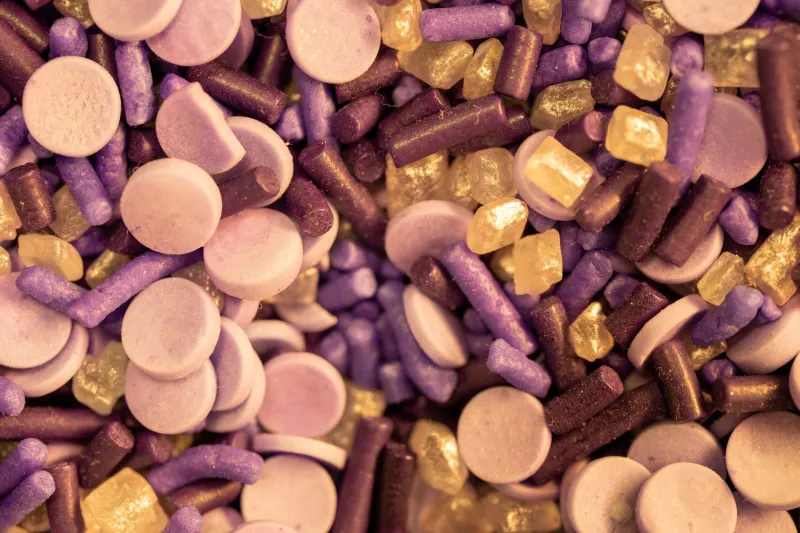
A small but growing cohort of artisan makers is experimenting with edible decorations that go beyond aesthetics. We're talking sprinkles and toppings infused with adaptogens like ashwagandha and lion's mane mushroom, probiotic-loaded sugar pearls, edible glitter made from butterfly pea flower for natural color-shifting effects, and mineral-rich luster dusts derived from real food sources instead of synthetic dyes. The pitch: your dessert can be beautiful and do something for your body.
It sounds like marketing. It might also be the future of the industry.
What "Functional" Actually Means Here
Let's be clear about what we're discussing, because the word "functional" gets thrown around a lot in food spaces and it covers a pretty wide range of things.
At the most basic level, functional edible decorations simply means decorative food items made with ingredients that have some nutritional or health property beyond basic calories. Natural colorants derived from fruits, vegetables, and botanicals — instead of FD&C synthetic dyes — are the entry point. This is already fairly mainstream in the premium sprinkle market, where butterfly pea flower, spirulina, beet powder, and turmeric are common coloring agents.
But some makers are going further.
"We started with natural colorants because that's what our customers were asking for," says Danielle Park, founder of a small-batch edible decoration studio in Denver. "Then we started getting questions about whether we could add anything else. Collagen. Probiotics. Adaptogens. At first I thought it was a little out there, but then I started actually researching it and realized — some of this is genuinely possible."
Danielle now offers a line of what she calls "wellness toppers" — edible decorations made with ingredients like reishi mushroom powder, ashwagandha, and inulin (a prebiotic fiber). They look like regular sprinkles and sugar pearls. They taste, she says, essentially the same as conventional versions. But the ingredient list tells a different story.
The Real Challenges: Dosage, Stability, and the FDA
Here's where things get complicated — and where the science has to be taken seriously rather than just trusted as a label claim.
For any functional ingredient to actually do something in your body, it needs to be present in a meaningful dose. The amount of ashwagandha you can fit into a teaspoon of sprinkles is... not a lot. Whether that trace amount has any measurable physiological effect is, to put it gently, an open question.
"The honest answer is that you're not going to replace your supplement routine with sprinkles," Danielle admits. "But you might get a small, consistent contribution if you're using them regularly. And for a lot of people, that's more than nothing."
Beyond dosage, there are stability issues. Many bioactive compounds — probiotics especially — are sensitive to heat, moisture, and light. A probiotic sprinkle that survives a trip through a warm kitchen and then sits on a frosted cupcake for two days is a very different product from a probiotic capsule stored in a controlled environment. Makers experimenting in this space have to think carefully about encapsulation technology, storage conditions, and shelf life in ways that conventional sprinkle producers never had to.
And then there's the regulatory layer. The FDA has specific rules about what claims can be made on food labels, and "this sprinkle will reduce your stress" is not something any maker can legally print on a jar. The functional food space broadly has been navigating this tension for years, and edible decorations are no exception.
"We're very careful with our language," says one maker who asked not to be named. "We describe the ingredients. We don't make health claims. There's a big legal difference between saying 'made with lion's mane mushroom' and saying 'supports cognitive function.' We stay firmly on the ingredient side of that line."
Natural Colorants: The Less Controversial Side of the Story
If the adaptogen conversation feels like a stretch, the natural colorant movement is on much firmer ground — and it's genuinely reshaping what premium sprinkles look and behave like.
Butterfly pea flower extract is probably the most visually dramatic example. It produces a vivid blue-purple color that shifts to pink or purple when it contacts acidic ingredients like lemon juice or cream cheese frosting. Bakers who use butterfly pea flower-based sprinkles or luster dusts are essentially getting a built-in color magic trick. The effect has become enormously popular in decorative baking circles, and it's entirely natural.
Beyond aesthetics, natural colorants bring a cleaner label — something a growing segment of consumers actively prioritize. The "no artificial colors" claim resonates particularly strongly with parents buying baking supplies for kids' treats, which is a core demographic for premium sprinkle brands.
Hype or Horizon?
So is functional edible decoration a genuine innovation or an elaborate marketing exercise?
Probably some of both, honestly. The natural colorant movement is real and meaningful. The adaptogen and probiotic angle is more speculative, and any maker who's being straight with you will acknowledge that the functional benefits at sprinkle-scale dosages are modest at best.
But here's the thing about the sprinkle industry specifically: it has always been as much about meaning as about substance. Sprinkles don't make cake taste better in any measurable way. They make it feel better. They signal celebration, care, creativity, and joy. If a maker can add even a small functional dimension to that experience — and do it with real ingredients and honest labeling — that's not nothing.
Danielle Park puts it simply: "People are going to put something on their desserts. If I can make that something a little more interesting, a little cleaner, and maybe a little better for them? That feels like progress to me."
We're inclined to agree. Pass the butterfly pea flower glitter.