No Sprinkles on the Shelf: The Supply Chain Meltdown That Shook the Baking World
It sounds almost absurd on the surface: a sprinkle shortage. The kind of thing you'd see as a punchline in a news segment about first-world problems. But for the bakeries, confectioners, and home decorators who depend on a steady supply of specialty toppings, the disruptions that have rippled through the artisan sprinkle market over the past few years have been anything but funny.
This is the story of what happens when a seemingly simple product runs into a very complicated world.
The Invisible Complexity Behind a Tiny Topping
Most people have no idea how many ingredients go into a single jar of artisan sprinkles. At the most basic level, you're looking at sugar, modified starches, and food-grade colorants — but the high-end market has introduced a much longer ingredient list. Natural color sources like turmeric, spirulina, beet powder, and butterfly pea flower extract. Specialty wax coatings for shine and shelf stability. Metallic pigments derived from mica or titanium dioxide. Flavoring compounds. Edible glitters made from plant cellulose.
Every single one of those ingredients has its own supply chain. And every single one of those supply chains has, at some point in recent memory, experienced a disruption.
"People think sprinkles are simple," says Dana Ferreira, who runs a small specialty sprinkle company out of Portland, Oregon. "They're not. A single product line can have fifteen different components sourced from four different countries. When one thing goes sideways, the whole formula is affected."
The Cascade Begins
The pandemic-era shipping crisis is where most small producers point when asked to identify the moment things started getting complicated. Container shortages, port backlogs, and skyrocketing freight costs hit specialty food importers hard — particularly those sourcing natural colorants from suppliers in South Asia, Europe, and South America.
Butterfly pea flower, which became enormously popular as a natural blue-purple colorant, saw prices spike dramatically when demand outpaced the supply of dried flowers coming primarily from Southeast Asia. Saffron-based golds, already among the priciest natural options, became nearly impossible to source in bulk at consistent quality levels.
But it wasn't just exotics. Even domestic sugar prices fluctuated in ways that caught smaller producers off guard. "We had contracts in place and then suddenly our supplier couldn't honor them," Ferreira says. "Not because anyone was being dishonest, but because their costs had blown up and they literally couldn't afford to fulfill the order at the agreed price."
Weather Enters the Chat
On top of the logistics crisis, climate-related disruptions began hitting key ingredient-growing regions with increasing frequency. Beet harvests — critical for natural red and pink colorants — suffered in parts of Europe during drought years. Sugarcane yields in Brazil, a major global supplier, were impacted by irregular rainfall patterns. Even domestic corn, a source for the modified starches used in many sprinkle formulations, saw regional shortfalls.
"We had a year where I was reformulating constantly just to keep product on the shelf," says Marcus Teel, a food technologist who consults for several specialty confectionery brands. "You'd substitute one starch for another and it would change the texture. You'd swap a natural colorant and the hue would shift. Customers would notice and ask what happened. It was exhausting."
For small artisan producers without the purchasing power to stockpile ingredients or lock in long-term contracts, these shifts were especially brutal. Large commercial sprinkle manufacturers could absorb some of the cost variance. Boutique operations couldn't.
How Bakeries Adapted
Faced with empty shelves and waitlists on their favorite specialty toppings, bakeries across the country got creative in ways that — unexpectedly — sometimes improved their products.
Some shifted toward making their own sprinkles in-house, a labor-intensive process but one that gave them complete control over ingredients and colors. Piped royal icing dots, hand-cut fondant shapes, and pulled sugar decorations became part of the aesthetic identity for bakeries that had previously relied entirely on purchased toppings.
Others diversified their supplier networks aggressively. "I used to order from two companies," says Priya Anand, who owns a custom cake studio in Atlanta. "Now I have six. It's more work to manage, but I've never been completely out of something I needed since I made that change."
A few bakeries leaned into the scarcity narrative itself — offering "limited edition" colorways based on whatever natural colorants were actually available, turning supply constraints into a marketing moment. Customers responded surprisingly well.
The Regulatory Layer Nobody Talks About
Beyond logistics and weather, there's another layer of complexity that rarely makes headlines: food safety regulation. The FDA regulates which colorants can be used in food products sold in the US, and those rules don't always align with what's available or popular in international markets.
Several vibrant pigments used freely in European and Asian confections are not approved for use in the United States. This means American producers can't simply substitute with whatever's available globally — they have to work within a specific approved list, which limits flexibility during shortage periods.
"There were some beautiful natural blues coming out of certain algae-based sources overseas," Teel says. "Technically not cleared for use here in the same application. So you're stuck, even when the ingredient exists and is sitting in a warehouse somewhere."
What Comes Next
Industry observers say the worst of the recent disruptions has stabilized somewhat, but the underlying vulnerabilities haven't been resolved. The artisan sprinkle market is still heavily dependent on global ingredient networks, still exposed to climate volatility, and still operating with thin enough margins that another significant disruption could force further consolidation.
Some producers are investing in domestic ingredient sourcing — building relationships with American farms growing specialty botanicals for natural colorants, and working with US-based starch suppliers. It's more expensive, but it reduces exposure to international shipping chaos.
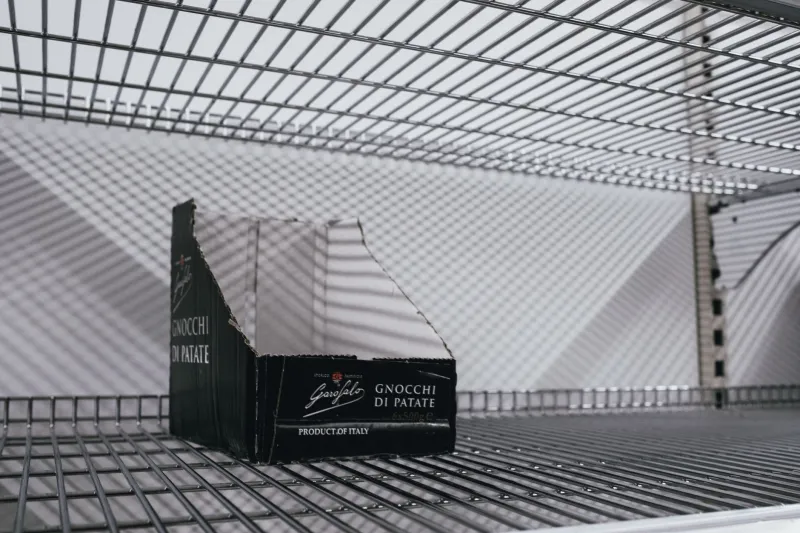
For home bakers and small bakery owners, the practical takeaway is less glamorous but genuinely useful: build a buffer. Stock what you use regularly. Diversify your sources. And maybe learn to make a few things yourself — because the next time something goes sideways somewhere in the global supply chain, having a backup plan will feel a lot better than staring at a bare shelf the week before a big order is due.
Sprinkles are small. But as it turns out, the systems that deliver them to your kitchen are anything but.