The Beautiful Box Nobody Opened: Artisan Treats, Gift Guilt, and What We're Really Buying

Photo: beautiful artisan gift box chocolates and confections unopened ribbon bow luxury, via wallpapertag.com
There is a specific kind of guilt that lives at the intersection of a gorgeous gift box and a sell-by date that has already passed.
You've probably felt it. A stunning assortment of hand-painted chocolates, or a jar of artisan confections with a wax seal and a ribbon, received as a gift — or maybe purchased for yourself — that sat on the kitchen counter for two weeks. Then a month. Then you stopped really seeing it. And then one day you picked it up, read the date, and felt a complicated mix of waste, guilt, and the faint memory of how excited you were when you first got it.
This is not a niche experience. It is, based on everything the artisan food industry data and a lot of honest conversations suggest, remarkably common. And it raises a genuinely interesting question: when we buy beautiful edibles, are we actually buying food?
The Gift That's Really a Statement
The gifting economy around artisan treats has exploded in the past several years, and the pandemic accelerated it dramatically. When people couldn't gather, couldn't travel, and couldn't express care through presence, they sent boxes. Beautiful, expensive, carefully curated boxes of things to eat.
But something interesting happened in that shift. The look of the gift became as important as — and in many cases more important than — the experience of eating it. The unboxing moment. The photograph. The text that said "omg this is so gorgeous I can't."
That's not cynicism, by the way. It's a real and understandable evolution in how we communicate care. In a culture saturated with stuff, a gift that signals I thought about you specifically, I found something beautiful and unusual, I paid attention carries genuine emotional weight. The artisan treat, with its hand-lettered label and its wax seal and its color palette that belongs on a mood board, delivers that signal immediately and powerfully.
The eating is almost beside the point.
The Instagram Problem (That Isn't Really Instagram's Fault)
It's easy and a little lazy to blame social media for the aestheticization of food. Yes, the pressure to photograph everything has changed how we relate to what we eat. But the impulse to display beautiful food — to use it as an expression of taste, status, and identity — predates Instagram by centuries. Elaborate sugar sculptures at Renaissance banquets were never really about the sugar.
What social media has done is democratize the display. The gorgeous treat box that used to sit on a hostess's sideboard for guests to admire now sits on a grid for followers to admire. The audience is larger, the feedback is quantified in likes, and the pressure to perform the appreciation of beautiful things is ambient and constant.
But here's the part that gets less attention: the people buying and gifting artisan edibles are not, by and large, cynical performance artists. Most of them genuinely want to eat the thing. They mean to. Life just keeps happening, and the box keeps sitting there, and the moment never quite arrives.
That gap between intention and action is worth examining.
The Emotional Labor of Treating Yourself
The "treat yourself" economy is real and it is enormous. Wellness culture, self-care marketing, and a decade of messaging that says you deserve the nice thing have created a consumer who is primed to spend on themselves — and who often feels vaguely guilty about it anyway.
Artisan treats occupy a fascinating position in this dynamic. They're small enough to feel like a reasonable indulgence. They're beautiful enough to feel intentional rather than impulsive. And they carry a narrative — craft, care, small-batch, made with love — that makes the purchase feel values-aligned rather than just hedonistic.
But actually eating them requires a different kind of permission. The object has become precious. Opening the jar feels like using something up. There's a weird cognitive dissonance between I bought this to enjoy and I don't want to diminish it by consuming it.
This is not irrational. It's actually a very human response to scarcity and beauty. We preserve things we find valuable. The problem is that a perishable edible is not actually improved by preservation — it's just wasted more slowly.
What the Bakeries Think
The people making these products have complicated feelings about this dynamic.
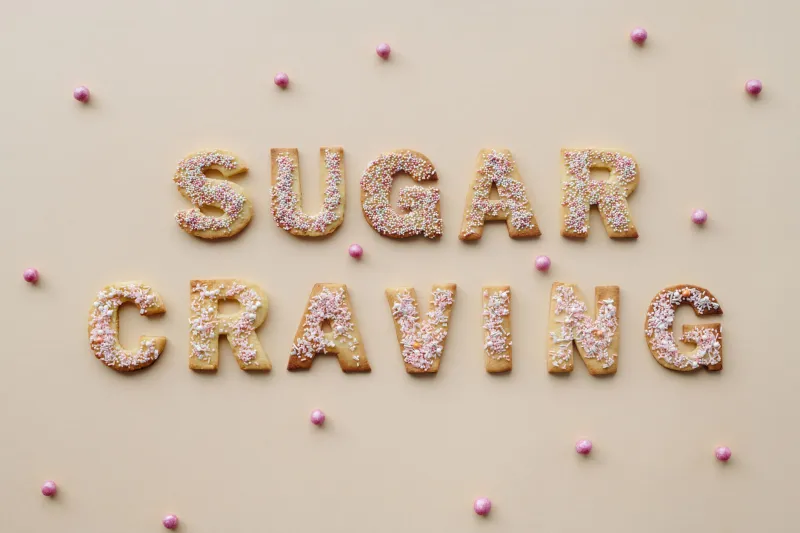
On one hand, a sale is a sale. If someone buys a $38 box of hand-decorated shortbread cookies and photographs them for their Instagram and never eats a single one, the bakery still got paid. The economics work.
On the other hand, most artisan food producers got into this work because they care, genuinely and deeply, about the experience of eating. The whole point of the craft — the hours of work, the premium ingredients, the obsessive attention to texture and flavor — is that someone bites into it and has a moment. A real, sensory, delicious moment.
"I think about the person who eats it," one confection maker told us. "That's who I'm making it for. Not the photo."
There's a real tension there between the commercial reality of the gift economy and the craft philosophy that drives the best producers.
Something Deeper
If we zoom out a little, the pattern of buying beautiful things we never use is not unique to food. It shows up in books we display unread, candles we never light, wine we save for a special occasion that never arrives.
There's a concept in psychology sometimes called "anticipatory pleasure" — the enjoyment we get from the anticipation of an experience, which can actually be more powerful than the experience itself. Buying the beautiful treat box gives us a real hit of that pleasure. The act of purchase, of selecting, of receiving or giving — that's the emotional peak. The eating is almost anticlimactic by comparison.
And maybe that's okay. Maybe the $40 box of artisan confections that sits on the counter for three weeks and then gets photographed one more time before reluctantly being opened is still doing something real. It's a daily reminder that someone thought you were worth something beautiful. That you thought you were.
But open the box. Eat the cookies. That's what they're for.
And honestly? The person who made them would really, really like you to.