Think Like a Pastry Chef: The Art of Matching Sprinkles to Desserts
Somewhere between tossing rainbow jimmies on a birthday cake and carefully placing a single edible pearl on a chocolate truffle, there's a whole universe of intentional decision-making that most home bakers never tap into. Professional pastry chefs think about sprinkles the way a sommelier thinks about wine — not obsessively, but deliberately. The right topping in the right context doesn't just look good. It changes the entire experience of eating something.
So what actually goes into that decision? We talked to working pastry chefs and specialty bakers across the country to build a practical framework you can actually use at home.
Start With Texture, Not Looks
The biggest mistake casual bakers make is choosing sprinkles purely for color. That's understandable — we eat with our eyes first. But texture is where the real magic (and the real mistakes) happen.
"I always ask myself what's already happening in the dessert texturally," says Mara Okonkwo, a pastry chef based in Chicago who's been decorating cakes professionally for over a decade. "If the crumb is soft and the frosting is light, I want a topping that adds some kind of contrast. Something with a little snap or crunch. If the base is already dense and chewy, I might go softer — a sugar pearl or a matte disc that melts into the experience rather than fighting it."
This is the first principle: contrast or complement. You're either adding something the dessert doesn't have, or you're deepening something it already does.
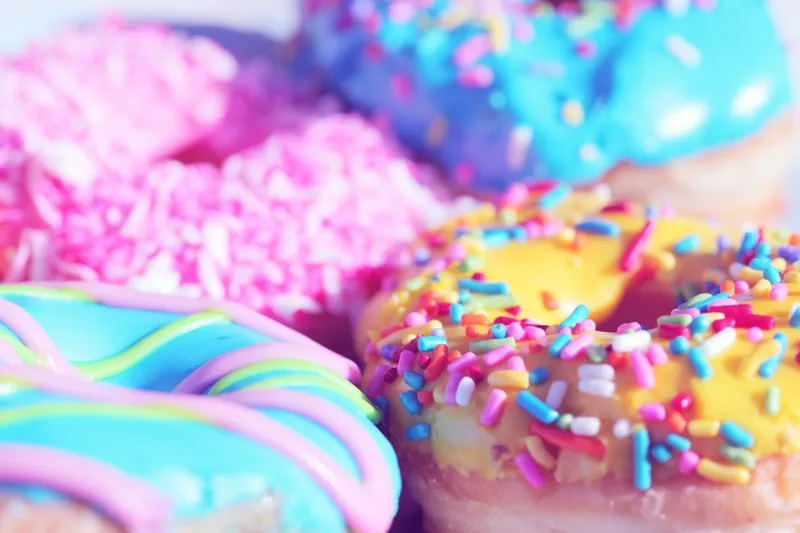
- Nonpareils (those tiny round beads) are light and slightly crunchy. They work beautifully on smooth, creamy surfaces like ganache or buttercream where you want a subtle pop without overwhelming the palate.
- Jimmies (the long, soft rods most people picture when they hear "sprinkles") are chewy and mild. They're the most forgiving option — great for soft cookies, sheet cakes, and anything kid-focused.
- Sanding sugar adds sparkle and a gentle crunch. It dissolves faster than most people expect, which makes it ideal for items that will be eaten quickly, like sugar cookies at a party.
- Dragées and pearls are firm, sometimes metallic, and deliver a slow crunch. These belong on elegant desserts — petit fours, tarts, anything where you want a deliberate, considered bite.
- Sequins and wafer-based shapes are almost entirely about visual impact. They're thin, starchy, and don't contribute much to texture, which actually makes them versatile — they won't disrupt what you've built.
Flavor Is a Real Factor
Most commercial sprinkles are sugar-based and essentially flavorless, but that's changed significantly in the artisan market. And even neutral sprinkles interact with flavor in indirect ways.
"When I'm working with a really delicate flavor — lavender, yuzu, earl grey — I'm careful not to add anything that's going to compete," says Jordan Velarde, a custom cake designer in Austin, Texas. "A heavily colored, artificially flavored sprinkle can actually muddy a sophisticated flavor profile. I'll go for something white or gold, something neutral, so the dessert flavor stays front and center."
On the flip side, a dense chocolate fudge brownie can handle more visual and flavor noise. That's where bold, colorful jimmies or even flavored sprinkles (think cinnamon-infused rods or cocoa-dusted pearls) can add a whole extra layer.
A quick cheat sheet for flavor-forward pairing:
- Citrus desserts → white or pastel nonpareils, gold sanding sugar
- Chocolate-heavy desserts → dark cocoa pearls, metallic dragées, red or copper sequins
- Vanilla or cream-based → literally anything works, but pastels and whites keep it elegant
- Fruit-forward tarts or cakes → bright jimmies, fruit-shaped wafer pieces, or matte sugars in complementary colors
- Spiced or warm-flavored (chai, brown butter, maple) → bronze and gold tones, cinnamon sugars, amber-tinted pearls
Occasion Changes Everything
Context is the third variable, and it's one that even experienced bakers sometimes forget to factor in.
A birthday cake for a seven-year-old and a birthday cake for a 40-year-old can both be celebratory and joyful — but the visual language is different. Rainbow jimmies read as "party" in a way that's universally understood. Brushed gold dragées read as "celebration" in a more grown-up register.
"I think about who's going to be in the room," Okonkwo says. "A bridal shower calls for something refined — maybe soft pink pearls or iridescent sequins. A graduation party for a college senior? Go big, go bright, go chaotic. That's a moment."
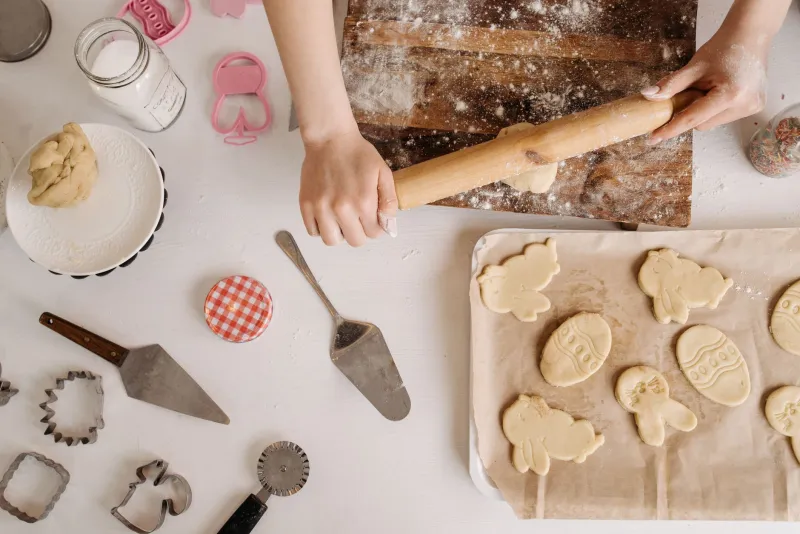
For holiday baking, lean into the season's visual vocabulary. Deep red sanding sugar on Christmas shortbread. Pastel nonpareils on Easter sugar cookies. Black and orange jimmies for Halloween. These aren't revolutionary ideas, but they work because they tap into shared cultural associations that make the treat feel intentional.
The Surface Matters More Than You Think
Even the right sprinkle can fail if the surface isn't right. Sprinkles need something to stick to — and different surfaces behave very differently.
- Royal icing grips almost everything and dries into a hard shell that holds toppings in place permanently. Great for cookies you're shipping or storing.
- Buttercream is sticky when fresh but crusts over time. Add sprinkles immediately after frosting if you want full coverage.
- Ganache and mirror glaze have a narrow window — they need to be slightly tacky, not fully set, or sprinkles will slide right off.
- Whipped cream is notoriously difficult. Lightweight toppings like sanding sugar work best here; heavier dragées will sink.
Velarde's rule of thumb: "If I can press a sprinkle gently and it leaves a slight indent, the surface is ready. If it bounces back, wait. If it disappears into the surface, you waited too long."
Build Your Own Pairing Framework
You don't need to memorize every combination. The underlying logic is simple:
- Assess the texture of your dessert. Soft? Crunchy? Creamy? Choose a sprinkle that either contrasts or complements.
- Consider the flavor intensity. Delicate flavors need neutral toppings. Bold flavors can handle more.
- Match the occasion's tone. Playful, elegant, festive, or intimate — your sprinkles are part of the visual story.
- Check your surface before you start decorating and know your application window.
Once you start thinking this way, reaching for sprinkles stops feeling random. It starts feeling like a decision — and honestly, that's when decorating gets genuinely fun. You're not just finishing a dessert anymore. You're editing it.