Kitchen vs. Bakery: We Put Homemade Gourmet Treats to the Ultimate Taste Test
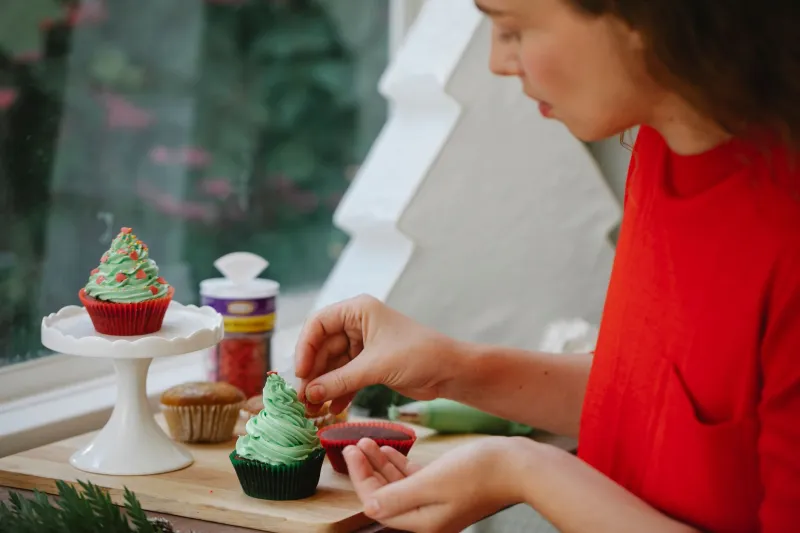
Every home baker has had the moment. You pull something out of the oven, taste it, and think — this is pretty good. Then you walk into a specialty confectionery, bite into one of their signature pieces, and immediately understand that "pretty good" and "professionally made" exist in entirely different universes.
But how wide is that gap, really? And is it possible to close it?
We decided to find out. Over the course of several weeks, our team at Sprinklez Edibles ran a series of side-by-side comparisons: homemade versions of popular artisanal treats tested against professionally produced counterparts. We recruited a panel of twelve taste testers with varying levels of baking experience, gathered input from working pastry professionals, and got genuinely humbled by our own kitchen results more than once.
Here's what we learned.
The Playing Field: What We Tested
We focused on four categories of treats that regularly appear in specialty confectionery shops across the US:
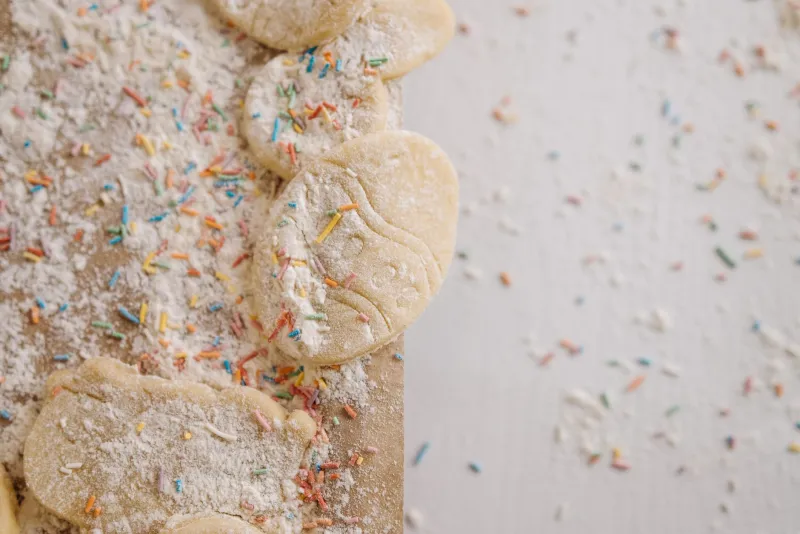
- Decorated sugar cookies with royal icing and custom sprinkle blends
- Filled chocolate truffles with ganache centers
- Artisan frosted brownies with gourmet toppings
- Sprinkle-topped vanilla layer cake (the classic benchmark)
For each category, we made a homemade version using quality but accessible ingredients (think King Arthur flour, Guittard chocolate, Nielsen-Massey vanilla), then compared it against a professionally made equivalent from an artisan bakery. Taste testers scored both versions on flavor, texture, appearance, and overall "bakery feel" — that ineffable quality that makes something feel like it came from somewhere special.
Where Home Bakers Actually Win
Let's start with the good news, because there genuinely is some.
In the frosted brownie category, the homemade version came startlingly close to the professional result. Seven out of twelve tasters rated the homemade brownie equally or higher on flavor. The key differentiator? Ingredient quality and restraint. The home baker in our test used high-percentage dark chocolate, real butter, and a touch of espresso powder — and didn't overbake. The result was fudgy, rich, and deeply satisfying.
"Brownies are a category where technique matters less than ingredients," said one of our tasters, a culinary school graduate. "If you're using good chocolate and you're not afraid of an underdone center, you can absolutely compete with a bakery."
The takeaway here is significant: ingredient quality is the single fastest upgrade a home baker can make. Swapping store-brand vanilla extract for a real Madagascar bourbon vanilla, or trading out standard baking chocolate for a couverture-grade option, creates a measurable difference that doesn't require any additional skill.
Where the Gap Is Real (And Why)
Here's where we have to get honest. The decorated sugar cookie category was a humbling experience.
Professional confectioneries produce cookies with laser-sharp royal icing lines, perfectly flood-coated surfaces, and sprinkle placements that look intentional down to the individual piece. Our homemade version, despite following a well-regarded recipe and practicing the flooding technique multiple times, looked like something a well-meaning third-grader had attempted.
The issue isn't just skill — it's equipment and environment. Professional bakers use piping bags with precise tip sizes, temperature-controlled proofing environments for drying icing, and in many cases, commercial-grade dehydrators that set royal icing in a fraction of the time. They also do this hundreds of times a week, which means muscle memory is doing a lot of the work.
"Decorated cookies are probably the hardest category for a home baker to replicate at a professional level," admitted Chicago-based pastry chef Daniela Moreno, who runs a custom cookie business. "The gap isn't about talent. It's about repetition and tooling. I've been flooding cookies for six years. My lines are consistent because I've done it ten thousand times."
For home bakers, the honest advice here is to lean into imperfection as a feature. Handmade wobbles and slightly uneven sprinkle distribution read as charming and personal when you're not trying to pass them off as professional. The moment you try to compete directly with a specialty bakery on decorated cookies, you're fighting a battle you're unlikely to win — at least not without serious practice.
The Layer Cake Verdict
The vanilla layer cake test produced our most interesting split results. On flavor, the homemade cake actually edged out the bakery version — largely because it was made and consumed the same day, giving it a freshness advantage that a retail bakery product simply can't replicate. Homemade wins on timeline.
On appearance, the bakery cake was objectively better. The frosting was smoother, the layers were more even, and the sprinkle application was deliberate and beautiful. The homemade version had a slightly lopsided lean and frosting that showed knife drag marks.
On overall experience, tasters were almost perfectly split. Several noted that the homemade cake "felt more special" specifically because it was made by someone for them. That emotional dimension is real and it's not nothing.
The Expert Shortcut List
After running our tests and collecting feedback, we compiled a shortlist of the upgrades that made the most measurable difference for home bakers:
- Use a kitchen scale. Volume measurements are inconsistent. Weight measurements aren't. This single change improves baking results more than almost any other adjustment.
- Invest in one good offset spatula. Frosting application improves dramatically with the right tool.
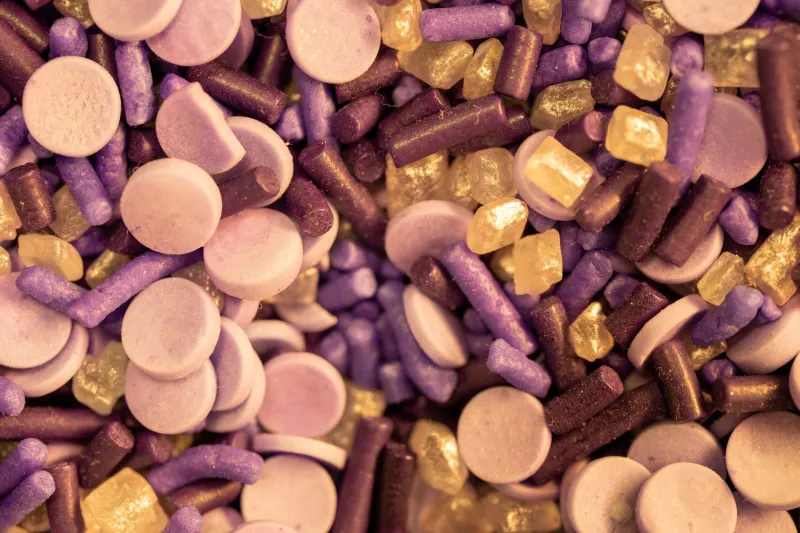
- Buy better sprinkles. This one is close to our heart at Sprinklez Edibles, but it's genuinely true. Artisan sprinkle blends with varied shapes, finishes, and colors make even an imperfect homemade cake look intentional and elevated.
- Chill your layers before frosting. A cold cake crumb-coats more cleanly and holds frosting better.
- Don't rush the royal icing dry time. Patience is the technique.
The Bottom Line
Can you make bakery-quality treats at home? The honest answer is: sometimes, and it depends on what you mean by quality.
On flavor, home bakers using good ingredients can absolutely rival — and occasionally beat — professional results. On technique-dependent categories like decorated cookies or perfectly smooth fondant work, the gap is real and takes serious time to close.
But here's the thing: homemade has its own kind of magic that no bakery can fully replicate. The warmth of something made in your kitchen, the slight imperfections that signal human hands, the fact that it was made for someone — those qualities are worth something. They're worth a lot, actually.
So bake the thing. Use good sprinkles. Don't stress about the lopsided layers. And if you want something that looks like it came from a specialty shop? We know a place.