Sprinkle Unboxings and Six-Figure Followings: How Tiny Creators Built an Empire Out of Edible Glitter
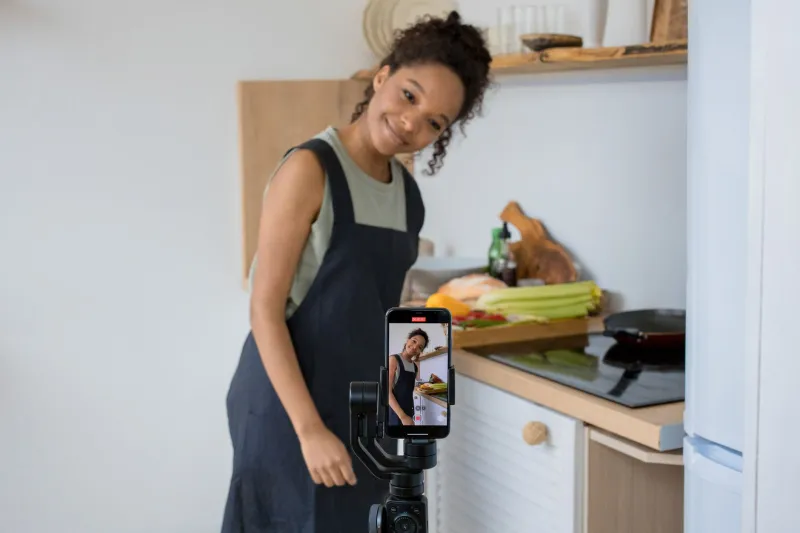
Last October, a 26-year-old content creator in Nashville named Britta Howell posted a 47-second TikTok of herself opening a limited-edition jar of hand-blended holiday sprinkles from a small artisan maker in Vermont. She didn't say much. She just filmed her hands slowly unscrewing the lid, tilting the jar toward the light so the edible glitter caught it, and letting the colors speak for themselves. The sound was a lo-fi holiday playlist. The caption was three words: "she arrived finally."
It got 2.3 million views.
"I still don't fully understand why that one hit," Britta says. "I've made longer videos with better lighting and more effort. But something about that moment — the anticipation, the reveal, the way the light hit those sprinkles — it just connected."
Britta is one of a fast-growing community of micro and mid-tier content creators who have built dedicated audiences — and in many cases, real income — around a very specific niche: edible decorations, dessert styling, and the art of making treats that are almost too beautiful to eat. And they're quietly reshaping the premium sprinkle market in the process.
The Anatomy of a Sprinkle Account
If you've spent any time in baking-adjacent corners of TikTok or Instagram, you've probably stumbled into this world without realizing it. The content takes a few distinct forms.
There's the unboxing video — the purest expression of the genre. A creator receives a new sprinkle mix, a set of edible luster dusts, or a custom confection kit, and films the unwrapping in real time. The appeal is tactile and sensory: the crinkle of tissue paper, the visual pop of color, the satisfying sound of sugar pearls shifting in a jar. Done well, these videos are almost meditative.
Then there are the styling videos — elaborate tablescapes and dessert spreads where sprinkles and edible decorations are used almost architecturally. Think: a cake surrounded by a moat of color-coordinated sprinkles, a cookie display arranged with the precision of a museum installation, a hot cocoa bar where every element has been dusted in matching edible shimmer. These videos blur the line between food content and interior design content, and they pull audiences from both.
Finally, there are the tutorials — longer-form content where creators walk through how to achieve specific effects using particular products. These are the videos that drive actual purchasing decisions. A creator who shows you exactly how to get that mirror-glaze look using a specific edible glitter brand has essentially done the brand's marketing for them.
Small Audiences, Real Money
Here's what's interesting about the economics of this niche: it doesn't require massive follower counts to be financially viable. The sprinkle and artisan confection audience is small but extraordinarily engaged.
"I have about 82,000 followers on TikTok and around 45,000 on Instagram," says Mara Chen, a dessert styling creator based in Seattle. "By influencer standards, that's not huge. But my engagement rate is wild — sometimes 15 to 20 percent on a good video. Brands in this space care a lot more about that than raw numbers."
Mara works with a rotating roster of artisan sprinkle brands, specialty baking supply shops, and small confection makers on paid partnerships, gifted product arrangements, and affiliate deals. She estimates she earns between $3,500 and $6,000 per month from content, with spikes around the holidays when the baking content space goes into overdrive.
"The brands I work with aren't giant corporations with huge marketing budgets," she says. "They're mostly small makers. So the relationships are more personal. I actually care about the products I'm promoting because I'd be using them anyway. That authenticity comes through, and I think that's why it works."
Britta Howell has a similar arrangement. She's built affiliate partnerships with four artisan sprinkle brands, and her unboxing videos consistently drive measurable traffic spikes to the brands' websites. One maker told her that a single video of hers sold out their entire inventory of a limited holiday blend within 36 hours.
What Brands Are Learning (and Sometimes Getting Wrong)
For small artisan confection makers, micro-influencer partnerships have become one of the most cost-effective marketing tools available. A gifted product package sent to a creator like Britta or Mara costs maybe $30 to $60 in product. The return — in terms of views, reach, and direct sales — can be orders of magnitude larger than what the same money would buy in paid advertising.
But the relationship requires a certain kind of trust that not every brand is comfortable with.
"Some makers want to script everything," Britta says. "They want to tell me exactly what to say, how to hold the jar, what hashtags to use. And the content always performs worse when that happens. My audience can tell immediately when something feels forced. The best brand relationships are the ones where they just send me the product and let me do my thing."
The visual language of this content is also something brands are actively learning from. The way micro-influencers style, light, and present edible decorations has started to influence how brands design their own packaging and product photography. Several artisan makers have told us they've redesigned their labels after noticing how their products looked on camera in creator videos — and which visual elements consistently drove engagement.
The Tablescape Effect
Perhaps the most unexpected downstream effect of this creator ecosystem is what it's done to consumer expectations around presentation.
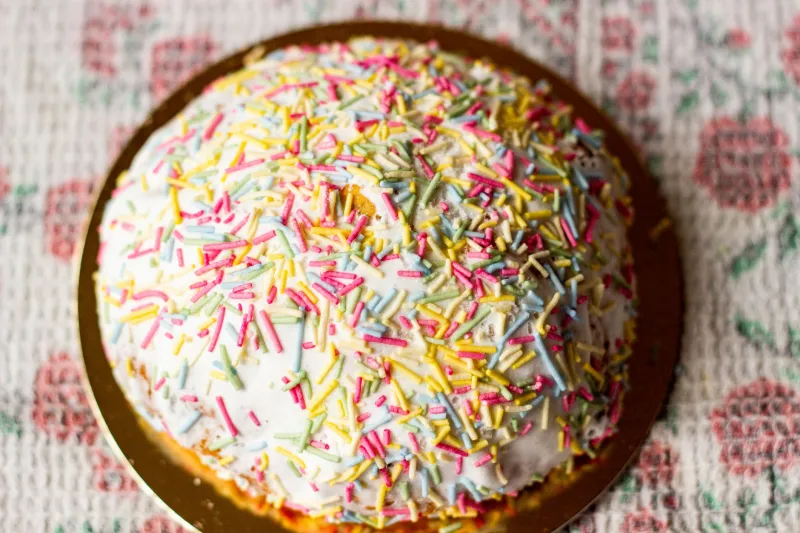
Five years ago, a beautifully sprinkled cake was a nice touch. Today, a growing segment of home bakers — the ones actively consuming this content — expect their treats to be styled. They're buying sprinkle mixes not just for flavor or color but for how the combination will look on camera. They're thinking about light sources, backgrounds, and color palettes before they even preheat the oven.
This has been genuinely great for the premium sprinkle market. Consumers who are thinking about aesthetics this carefully are also willing to pay more for products that deliver visually. A $22 jar of artisan sprinkles is an easy sell to someone who just watched a creator use it to make something that looked like a professional editorial shoot.
"I think we've made people care about the details in a way they didn't before," Mara says. "And honestly, that feels like a good thing. Food is beautiful. Treats are joyful. If we're helping people slow down and actually appreciate that? I'll take it."
Somewhere in Vermont, a small-batch sprinkle maker is already packing up their next limited-edition holiday blend — and quietly hoping it ends up in the right pair of hands.