When Sprinkles Cost More Than Steak: Inside the Booming World of Luxury Edible Decorations
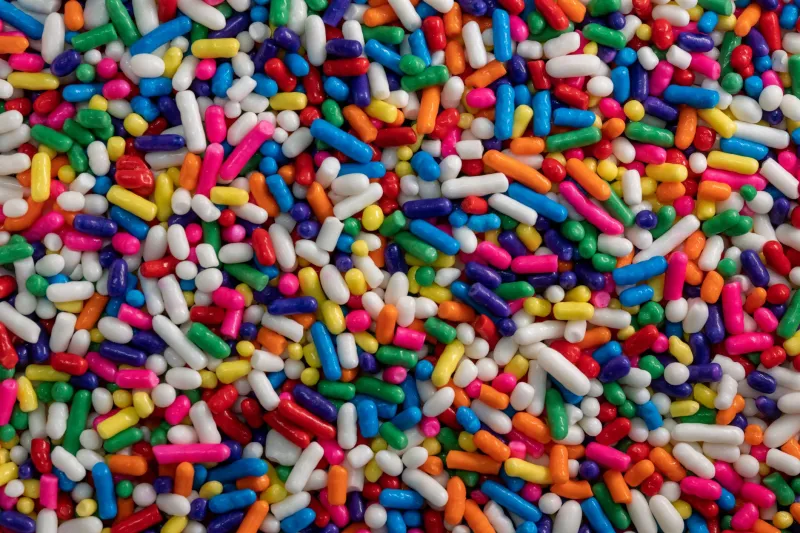
Not too long ago, sprinkles lived a humble life. They sat in plastic shakers near the checkout lane, priced somewhere between a pack of gum and a candy bar, and nobody really thought twice about them. You grabbed the rainbow jimmies, you shook them over a birthday cake, done. But somewhere between the rise of food Instagram, the artisan everything movement, and a collective cultural obsession with desserts that look as good as they taste — sprinkles got a glow-up. A serious one.
Today, there are boutique makers charging $18, $45, even upwards of $100 for a single jar of hand-crafted sprinkles. And people are buying them. Enthusiastically.
So what exactly is going on? We went deep into the world of luxury edible decorations to figure out how a topping went from afterthought to artisan treasure.
The Ingredients That Changed Everything
The sprinkle upgrade didn't happen overnight, and it didn't happen in a vacuum. It rode in on the coattails of the broader gourmet food movement — the same cultural wave that turned olive oil into a tasting experience and made sourdough starter a household pet.
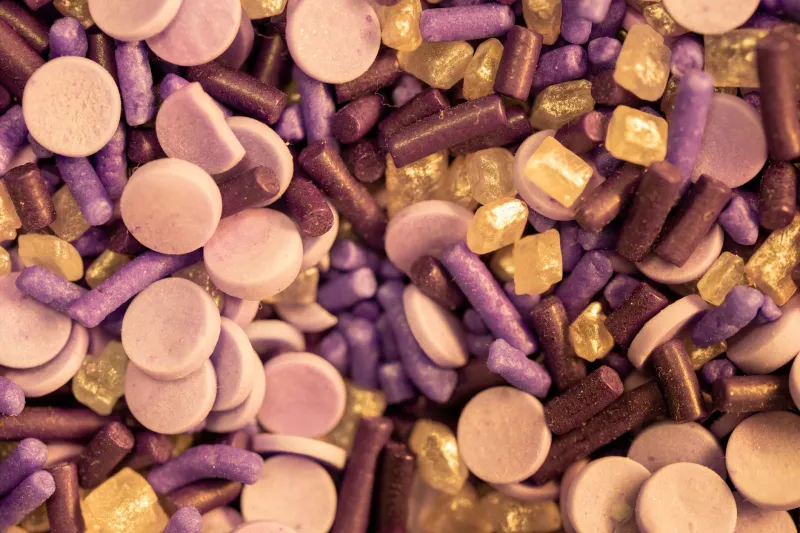
The difference between a grocery store sprinkle and a designer one often starts at the ingredient level, and the gap is wider than you'd expect. Boutique makers are working with things like edible 24-karat gold leaf, freeze-dried raspberry dust, real saffron, hand-ground cardamom, and imported Tahitian vanilla bean powder. These aren't flavor-adjacent gimmicks — they're real ingredients that actually change the way a sprinkle tastes, smells, and behaves on a dessert.
Small-batch producers have started treating sprinkle-making the way chocolatiers treat their craft: with obsessive attention to sourcing, texture, and finish. Some makers temper their sugar bases the way you'd temper chocolate. Others dry their confections in climate-controlled rooms to achieve a specific snap or melt rate. It sounds extreme until you taste the difference — and then it makes total sense.
Collectors, Bakers, and the People Who Buy Both
Here's something that might surprise you: not everyone buying $60 sprinkles is a professional pastry chef. A growing segment of the luxury sprinkle market is made up of what you might call enthusiast collectors — home bakers and dessert lovers who treat specialty sprinkle jars the way a wine lover treats a particularly good bottle.
There are private Facebook groups, subreddit threads, and TikTok accounts dedicated to unboxing and reviewing specialty sprinkle hauls. Makers with limited-edition seasonal drops have waitlists. Some holiday collections sell out in under an hour. Sound familiar? It's the sneaker drop model, applied to confectionery.
For many buyers, part of the appeal is the experience of owning something rare and intentional. A jar of hand-painted sugar pearls with real gold luster dust isn't just a baking ingredient — it's an object with a story, a maker behind it, and a visual beauty that justifies its place on the shelf even before you open it.
Social Media: The Great Sprinkle Amplifier
You can't talk about the luxury sprinkle boom without talking about Instagram, TikTok, and Pinterest. Visual platforms didn't just reflect the trend — they actively created the conditions for it to thrive.
When a beautifully decorated cake or a stunning dessert board goes viral, people want to recreate it. And increasingly, the thing that makes those images pop isn't the frosting technique or the cake flavor — it's the finishing details. The iridescent dragées. The hand-cut chocolate flakes dusted with edible gold. The tiny freeze-dried strawberry crumbles that catch the light just right.
Bakers who want their content to perform have learned that premium sprinkles are a shortcut to a more elevated visual result. That's driven demand from a whole new audience: the content creator baker, who's as invested in how their desserts photograph as how they taste.
What Makes a Sprinkle Worth the Splurge?
Fair question. And honestly, the answer depends on what you're optimizing for.
For flavor-forward bakers, the value is in ingredients that grocery store versions simply don't use. Real citrus zest. Actual lavender. Toasted sesame. These flavors integrate into a dessert in a way that artificial versions can't replicate.
For visual artists — the bakers who treat every cake like a canvas — the value is in precision and uniqueness. Hand-painted pieces, custom color palettes, and one-of-a-kind shapes aren't available at a big box store. If you want your wedding cake to have copper-toned geometric sugar shards dusted with bronze luster, you're calling a boutique maker.
And for the collectors and gift-givers, the value is simply in the experience. A beautifully packaged jar of specialty sprinkles makes a genuinely thoughtful gift for the baker in your life — one that says you paid attention to what they actually love.
The Makers Behind the Magic
The boutique sprinkle world is largely driven by small, independent businesses — many of them founded by women, many of them operating out of licensed home kitchens or small commercial spaces. These are people who got obsessive about a craft and figured out how to turn that obsession into something others would pay for.
What's striking about talking to these makers is how seriously they take the work. There's real culinary knowledge behind these products: an understanding of sugar chemistry, food coloring behavior, humidity's effect on texture, and the way different coatings interact with heat. It's not just pretty packaging — there's genuine skill involved.
Many makers offer custom orders, working directly with customers to develop specific color palettes, flavor profiles, or shapes for events. That level of personalization is part of what justifies the price point, and it's also what keeps customers coming back.
Is the Trend Here to Stay?
All trends eventually settle into something more permanent or fade out entirely. But the luxury sprinkle market has a few things going for it that suggest staying power.
First, the broader premium food movement isn't going anywhere. Americans have shown a consistent willingness to spend more on food experiences that feel intentional and special. Specialty sprinkles fit neatly into that cultural moment.
Second, the barrier to entry for consumers is actually pretty low compared to other luxury food categories. A $30 jar of specialty sprinkles is accessible to a much wider audience than a $300 bottle of aged balsamic or a high-end kitchen appliance. It's an attainable luxury — which is exactly the kind that tends to stick around.
And third, the community around specialty sprinkles is genuinely enthusiastic and growing. When people are forming fan groups and waiting in virtual lines for limited drops, that's not a passing fad. That's a culture.
So the next time someone raises an eyebrow at your $45 jar of hand-crafted lavender and gold sugar pearls, just smile. You're not being extra. You're being an early adopter.