Why Grown Adults Are Paying $18 for a Fancy Pop-Tart (And Absolutely No One Is Judging Them)
Somewhere between a childhood memory and a really good piece of pastry, something interesting is happening in American food culture. Bakeries are selling elaborately decorated, scratch-made versions of Fruit Roll-Ups. Specialty retailers are stocking cereal-flavored confections and elevated candy bars wrapped in gorgeous packaging. And adults — specifically Millennials and Gen X — are buying them enthusiastically, often at prices that would have seemed absurd attached to the original products.
This isn't a niche trend anymore. It's a movement. And it says a lot about where we are right now.
The Comfort Food Upgrade
Let's be clear about what we're talking about. This isn't just nostalgia for nostalgia's sake — it's not people eating Dunkaroos because they're cheap and easy. This is the premium version of that impulse. It's a $14 artisan s'more made with single-origin chocolate and house-crafted marshmallow. It's a birthday cake that looks like a Cosmic Brownie but tastes like something from a Michelin-starred pastry kitchen.
"What we're seeing is a real collision between emotional memory and elevated craft," explains one food trend analyst who tracks specialty retail and bakery categories. "People want the feeling of their childhood treats, but they've developed adult palates. The gourmet version gives them both at once."
That dual satisfaction is key. A straight-up Twinkie doesn't do it — the quality gap is too obvious now. But a handmade golden sponge cake with real vanilla cream filling, decorated with retro-style sprinkles and wrapped like a keepsake? That hits differently.
The Psychology Behind the Craving
Food psychologists have spent considerable time on this question, and the answers are genuinely interesting.
Nostalgia, it turns out, is a surprisingly powerful emotional state. Research consistently shows that nostalgic experiences reduce feelings of anxiety and loneliness — they create a sense of continuity between who you were and who you are now. And food is one of the most potent triggers for that response, because taste and smell are processed in the brain regions most closely linked to emotional memory.
For Millennials and Gen X specifically, the timing makes a lot of sense. Both generations came of age during periods of significant cultural and economic upheaval, and many are now navigating genuinely stressful adult lives — careers, mortgages, kids, aging parents. The emotional pull toward something that felt safe and joyful isn't escapism, exactly. It's more like a recalibration.
"There's something really grounding about eating something that connects you to a simpler version of yourself," says a recipe developer who specializes in elevated comfort food. "And when that thing is also beautiful and delicious in a grown-up way, it doesn't feel like regression. It feels like a treat you've earned."
Cereal Milk, Candy Bar Cakes, and the Rise of the Whimsical Bakery
The menu items that are driving this trend read like a fever dream in the best possible way.
Cereal milk — made by steeping Cocoa Puffs or Cap'n Crunch in dairy and then straining it — has become a legitimate pastry ingredient, appearing in everything from panna cotta to cake frosting. Candy bar-inspired layer cakes are a staple at upscale bakeries across the country. Gourmet Rice Krispie treats, elevated with imported chocolate and specialty toppings, routinely sell out at specialty retailers.
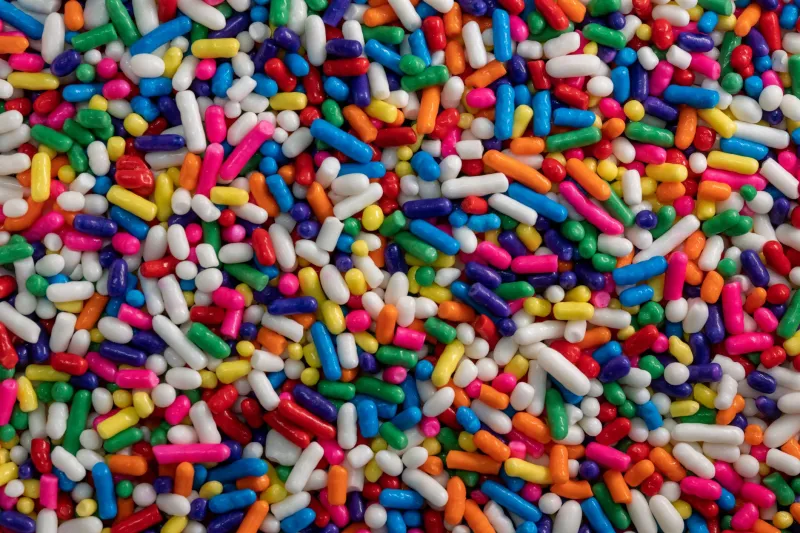
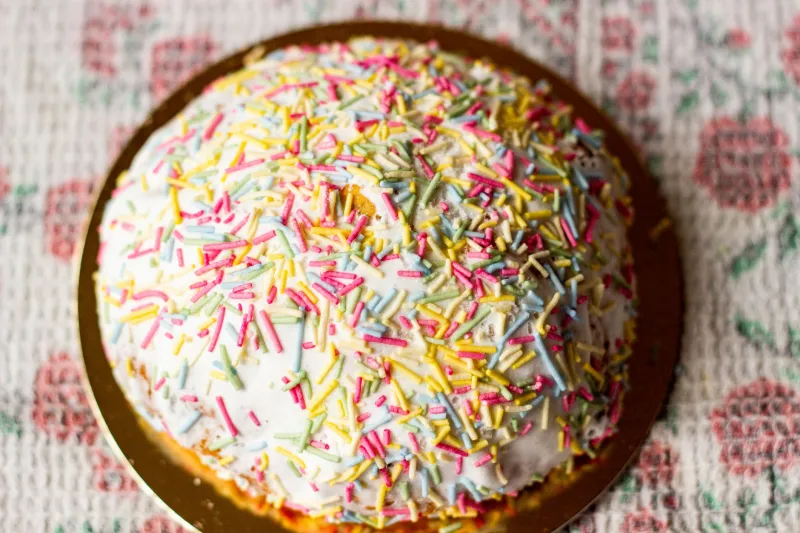
At Sprinklez Edibles, this trend shows up in the way customers are using our collections. Retro-inspired sprinkle blends — the ones with bright primary colors, chunky shapes, and a slightly maximalist energy — have become some of our most-requested products. Customers are using them to top elaborate cakes that are clearly in conversation with childhood aesthetics, even when the underlying recipe is anything but basic.
"I made a birthday cake last month that was inspired by Fruity Pebbles," says one home baker who documents her projects on social media. "The cake itself was a champagne layer cake with passionfruit curd. But the outside looked like a Saturday morning cartoon. The Sprinklez rainbow blend was literally the finishing touch that made the whole concept land."
Gen X Gets Overlooked — But Not Here
It's worth pausing on Gen X for a second, because this generation tends to get lost in trend conversations that default to Millennials and Gen Z. But Gen X — currently in their mid-40s to late 50s — is a significant driver of the premium nostalgia market.
This is a generation that grew up on genuinely iconic snack culture: Gushers, Dunkaroos, Surge, Little Debbie everything. They also have substantial purchasing power and a well-documented appreciation for quality. The elevated childhood treat sits right in their sweet spot.
"Gen X doesn't get enough credit for being early adopters of the foodie movement," notes one consumer insights researcher. "They were eating at farm-to-table restaurants before it had a name. The idea of taking something they loved as a kid and making it actually good? That's extremely on-brand for them."
What This Means for the Specialty Food Space
For retailers and creators in the artisanal food world, the nostalgia trend isn't just a cultural observation — it's a real signal about what consumers want and why.
People aren't just buying a product. They're buying a feeling, a memory, a moment of genuine delight in a day that might not have had many of those. The whimsy matters. The visual appeal matters. The craftsmanship matters.
When all three come together — a treat that looks like something from your childhood, made with ingredients that would impress your adult self — something genuinely special happens. And right now, that's exactly what a lot of Americans are hungry for.