Tiny Toppings, Big Moment: Inside America's Booming Artisan Sprinkle Movement
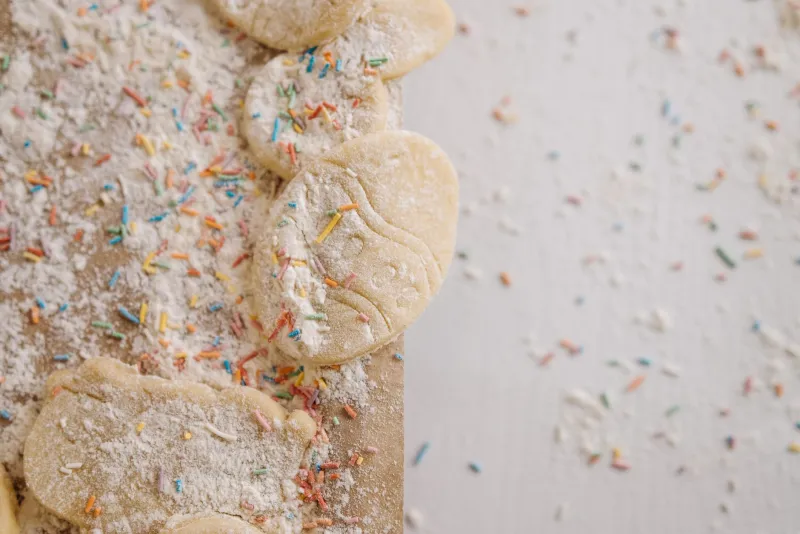
Not that long ago, sprinkles were sprinkles. You bought them in a plastic jar at the grocery store, shook some onto your frosted cupcake, and called it a day. Nobody was writing about them. Nobody was building a brand around them. They were the garnish equivalent of background music — present, pleasant, and largely unexamined.
That era is over.
In 2024, American sprinkle culture is experiencing something that can only be described as a full-blown renaissance. Across the country — from Etsy storefronts in rural Vermont to buzzy small-batch operations out of Los Angeles and Austin — independent makers are rethinking what edible toppings can be. They're working with natural colorants, sourcing ingredients with the same intentionality as a farm-to-table restaurant, and producing mixes that look more like jewelry than pantry staples.
We at Sprinklez Edibles have had a front-row seat to this shift, and honestly? We are here for every sparkly, botanical-infused second of it. Here's what's driving the movement — and who's leading it.
From Bulk Bin to Boutique: How We Got Here
The artisan food movement broadly — think craft chocolate, small-batch hot sauce, single-origin coffee — has spent the last decade teaching American consumers to care about where their ingredients come from and how they're made. It was probably inevitable that this lens would eventually land on sprinkles.
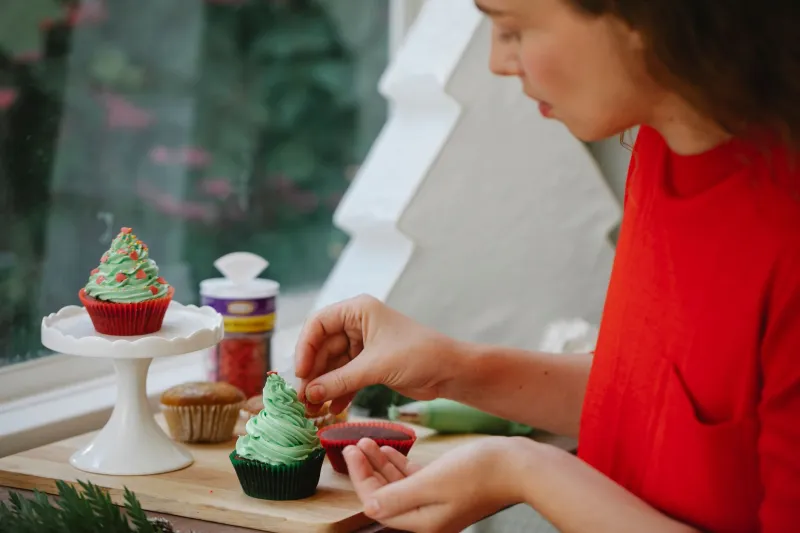
The tipping point came from a few directions at once. The rise of home baking during the pandemic created a massive new wave of enthusiastic amateur confectioners who wanted better tools and better ingredients. At the same time, social media — particularly TikTok and Instagram — turned cake decorating into a spectator sport, putting enormous visual pressure on bakers to produce content-worthy results. Standard grocery store sprinkles, with their limited color range and generic shapes, simply weren't cutting it anymore.
"I started making my own sprinkle blends because I couldn't find what I was looking for anywhere," says Priya Nair, who runs a small-batch sprinkle operation out of her home kitchen in Portland, Oregon. "I wanted deep, saturated colors that didn't bleed into white frosting. I wanted shapes that felt intentional. I ended up going down a rabbit hole and never came out."
Nair's story is remarkably common among the new class of artisan sprinkle makers. Many started as frustrated bakers. Most taught themselves through trial and error. And nearly all of them found, to their surprise, that there was a significant and underserved market waiting for exactly what they were making.
The Natural Colorant Revolution
If there's one thread connecting the majority of small-batch sprinkle makers in 2024, it's a commitment to natural colorants. The shift away from synthetic dyes — long a concern among health-conscious consumers and parents — has opened up a genuinely interesting creative space.
Beet powder produces a range of pinks and deep reds. Butterfly pea flower yields an otherworldly blue that shifts to purple in acidic environments. Matcha and spirulina offer varying shades of green. Activated charcoal creates a dramatic matte black. Annatto, derived from the seeds of the achiote tree, gives warm golden and orange tones.
The challenge, as any maker will tell you, is stability. Natural pigments can fade under heat, shift in pH, or behave unpredictably when mixed with other ingredients. Achieving a consistent, shelf-stable product using only botanical sources requires a level of food science knowledge that goes well beyond standard baking.
"Natural colors are humbling," laughs Tomás Guerrero, who produces small-batch specialty sprinkles and edible garnishes out of a licensed commercial kitchen in San Antonio. "You think you've nailed a formula and then the humidity changes, or the pH of your sugar base is slightly off, and suddenly your beautiful coral pink is a washed-out salmon. It's a constant process of refinement."
But the results, when they work, are striking. Natural-dye sprinkles tend to have a softer, more complex visual quality than their synthetic counterparts — less neon, more nuanced. They also resonate strongly with consumers who are actively reading ingredient labels and making purchasing decisions based on what they see.
Shapes, Finishes, and the New Aesthetic Language of Sprinkles
Beyond color, the artisan sprinkle movement has exploded the range of shapes and finishes available to bakers. Where once the options were jimmies, nonpareils, and the occasional star or heart, the 2024 landscape includes:
- Handcrafted botanicals — tiny edible flowers, leaves, and petals made from sugar and natural colorants
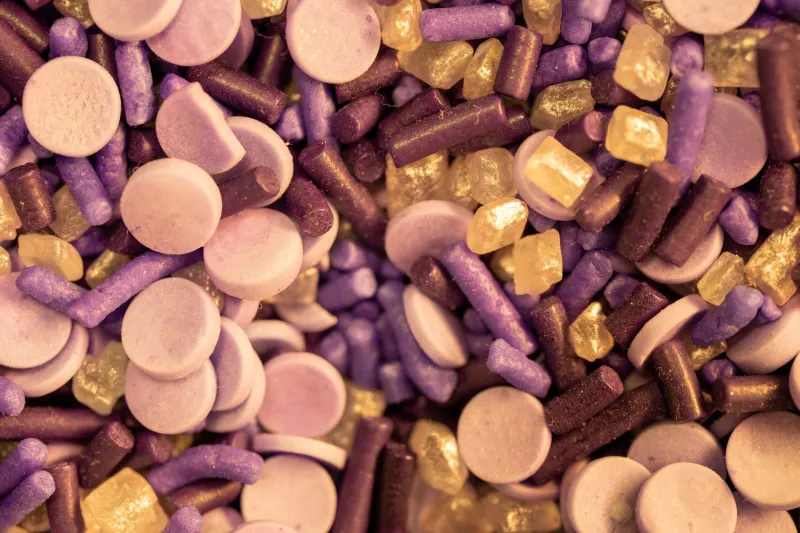
- Metallic finishes — gold, silver, rose gold, and copper luster dust applied to standard shapes for an elevated effect
- Matte vs. glossy variations within the same color palette
- Textural mixes that combine sanding sugar, larger confetti pieces, and mini shapes in a single blend
- Themed collections tied to seasons, holidays, or specific aesthetic moods ("Dark Romance," "Cottagecore," and "Y2K Nostalgia" are all real sprinkle blend categories that exist and are selling well)
This shift toward sprinkles as a curated aesthetic experience rather than a simple topping reflects broader trends in consumer culture around personalization and intentionality. Bakers aren't just buying sprinkles anymore — they're buying a vibe.
The Ethics Question
As the artisan sprinkle space has grown, questions around ingredient sourcing and production ethics have followed. Where does the sugar come from? Are the botanicals sustainably harvested? Is the production facility accessible and fairly compensating its workers?
These aren't questions that the bulk sprinkle industry has historically had to answer. But small-batch makers, operating in a market where brand storytelling matters enormously, are finding that transparency is both an ethical imperative and a competitive advantage.
Several makers have moved to certified organic sugar bases. Others source their botanical colorants from small farms with documented growing practices. A growing number are pursuing vegan certification — no small feat in a category that has traditionally relied on shellac (a resin secreted by lac bugs) for its characteristic shine.
"Vegan sprinkles were a gap in the market that I couldn't believe wasn't being filled," says Keisha Abrams, who launched a fully vegan, allergen-conscious sprinkle line in Atlanta in 2022. "Once I started talking to customers, I realized how many people had just quietly accepted that certain decorating products weren't for them. I wanted to change that."
Abrams uses carnauba wax — derived from the leaves of a Brazilian palm tree — as a plant-based alternative to shellac for shine. Her products are now sold in specialty grocery stores across the Southeast and through her own direct-to-consumer website.
What This Means for the Future of Confectionery
The artisan sprinkle movement isn't just a niche hobby trend. It's a signal of where consumer expectations around food quality, ingredient transparency, and aesthetic intentionality are heading more broadly.
For specialty confectioneries like us at Sprinklez Edibles, the proliferation of small-batch topping makers represents an extraordinary expansion of creative possibility. The palette available to today's artisan baker is richer, more varied, and more ethically considered than it has ever been.
And for the makers themselves — the Priyas and Tomáses and Keishas building businesses one carefully blended jar at a time — there's something genuinely exciting about being at the center of a craft that most people have spent their whole lives overlooking.
Sprinkles, it turns out, have always been magic. We're just finally paying attention.